Be Media Ready: 5 Ways to Prepare Before You Pitch
Before you ever reach out to a reporter, make sure your story is tight, your angles are clear, and you can deliver the goods on deadline. Here's how to get media-ready.
Kelly Bennett
Founder, Bennett Unlimited PR, LLC
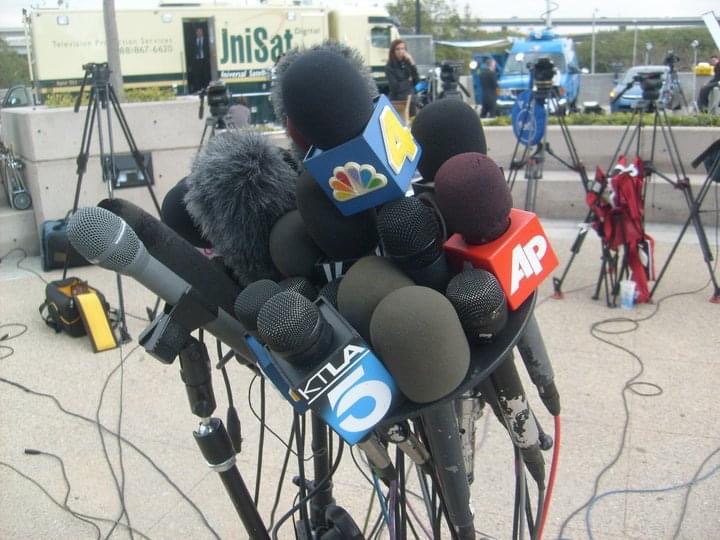
After more than 20 years on both sides of the microphone, first as a broadcast journalist, now as a public relations strategist, I've seen exactly what makes a story land and what makes a reporter hit delete. The difference almost always comes down to one thing: being media ready.
Being media ready means you can answer the question 'why does this matter right now?' in a single sentence. It means your facts are checked, your spokespeople are prepped, and you have visuals, stats, or a human angle that brings the story to life.
1. Know your news hook. Reporters cover news, not ads. Tie your pitch to a trend, a season, a breaking event, or a timely milestone. If there's no 'why now,' there's no story.
2. Lead with the human element. Data informs, but people connect. Find the face behind the numbers, a client, a patient, a volunteer, and let their experience carry the narrative.
3. Have your assets ready. A high-res headshot, a clean logo, B-roll, and two or three talking points should be on hand before you ever hit send. Reporters work on tight deadlines; being fast earns you the placement.
4. Prep your spokesperson. Practice the tough questions. Know your three key messages and bridge back to them. A confident, quotable guest gets invited back.
5. Follow up, once. A polite, value-added follow-up is professional. Nagging is not. Add a new angle or stat with each touch to stay useful.
These are the same principles I unpack in my upcoming book, Be Media Ready (Fall 2026). Whether you're a business owner, nonprofit, author, or community leader, the goal is the same: become the kind of story the media wants to cover.
Ready to share your story?
Let's craft a PR strategy that puts your story where it belongs — in the spotlight.
Get in Touch